Five short biographies of the founding generations of the García school. They state facts only; each closes with its sources.
Manuel García (1775–1832)
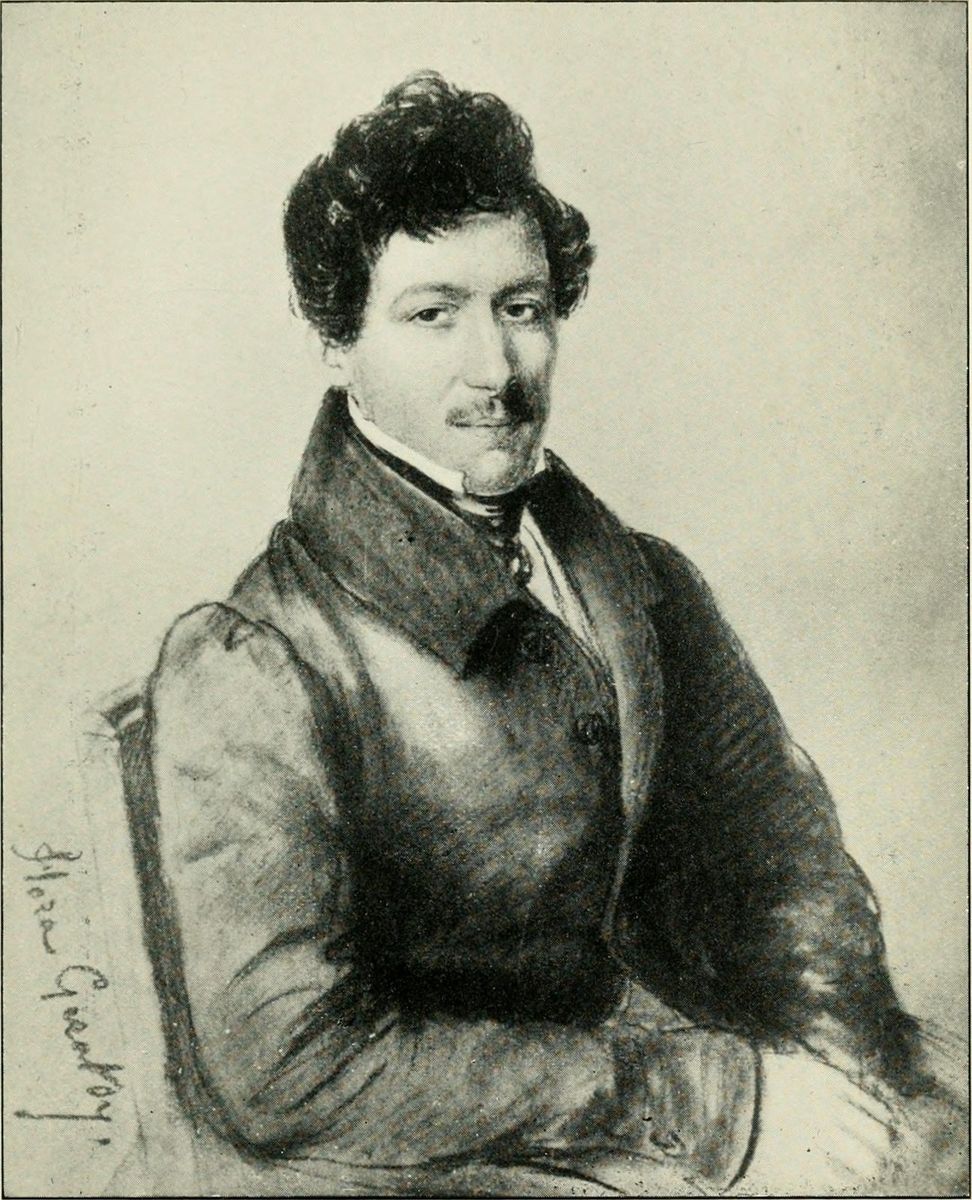
Manuel del Pópulo Vicente Rodríguez García was born in Seville on 21 January 1775. He was trained in the city's church music and made his early career in Cádiz and Madrid, where between 1798 and 1807 he wrote and sang tonadillas and short operas. His song "Yo que soy contrabandista", from El poeta calculista, became famous across Europe.
He moved to Paris in 1808 and to Italy in 1811. In Naples he became first tenor of the royal chapel under Joachim Murat and studied with the Roman tenor Giovanni Ansani (1744–1826), a master of the eighteenth-century Italian school. For García, Rossini wrote Norfolk in Elisabetta, regina d'Inghilterra (Naples, 1815) and Count Almaviva in Il barbiere di Siviglia (Rome, 20 February 1816).
After seasons in Paris and London, García took a family company to New York, where on 29 November 1825 it opened the first season of Italian opera in the United States. On 23 May 1826 it gave Don Giovanni in the presence of its librettist, Lorenzo Da Ponte. The company then worked in Mexico until political unrest forced its return to Paris in 1829.
In his last years García devoted himself to teaching and to salon operas written for his pupils. His pupils included his three children and the French tenor Adolphe Nourrit. He died in Paris in June 1832 and is buried in Père Lachaise cemetery.
Manuel Patricio García (1805–1906)
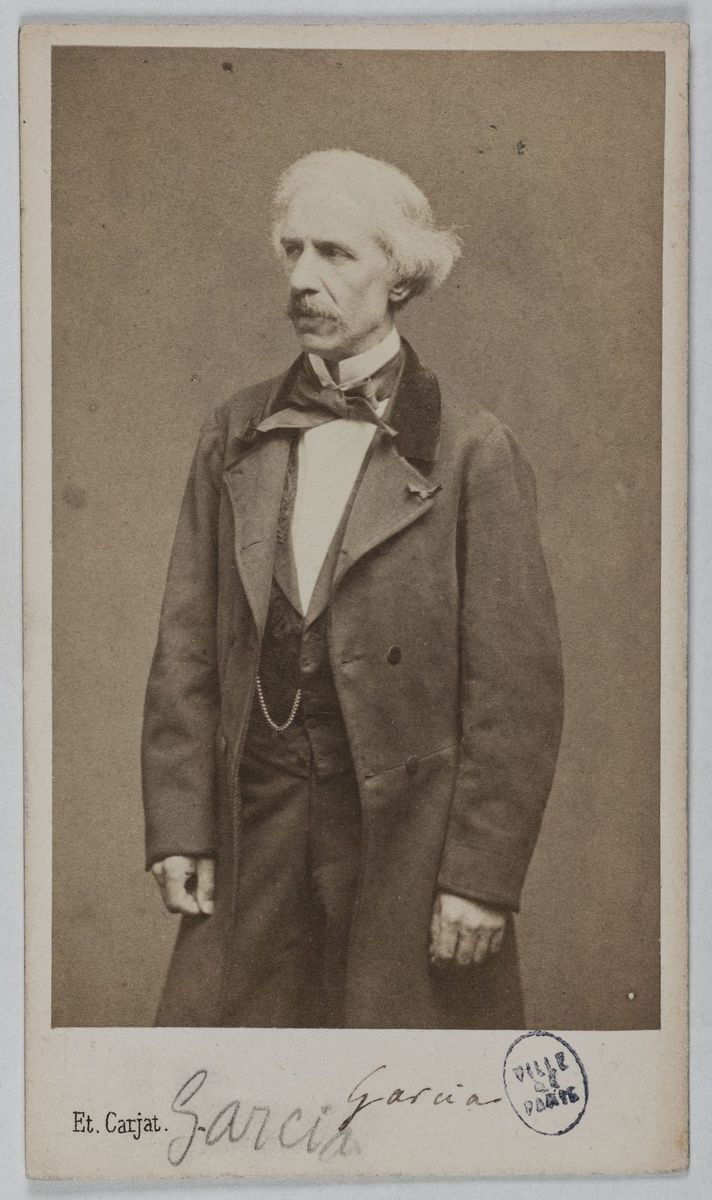
Manuel Patricio Rodríguez García was born in Madrid on 17 March 1805, the son of Manuel García and Joaquina Briones. He was trained by his father and also took lessons from Giovanni Ansani. He sang Figaro in the family's New York Barbiere in 1825, but after a short career he left the stage.
From 1830 he served with the French army and studied the anatomy of the larynx in military hospitals. Appointed to the Paris Conservatoire in the 1830s, he published the Traité complet de l'art du chant (part I, 1840; part II, 1847) and presented a Mémoire sur la voix humaine to the French Academy of Sciences in 1841.
In 1848 he moved to London, where he taught at the Royal Academy of Music until 1895. In 1854 he observed his own vocal folds with mirrors, and in 1855 he reported his observations to the Royal Society (see The Laryngoscope). His last book, Hints on Singing, appeared in 1894. His pupils included Jenny Lind, Mathilde Marchesi, Julius Stockhausen, Charles Santley and Hermann Klein.
His hundredth birthday on 17 March 1905 was celebrated in London by scientific and musical institutions from many countries; King Edward VII received him and the King of Spain sent him the Order of Alfonso XII. He died in London on 1 July 1906.
Maria Malibran (1808–1836)
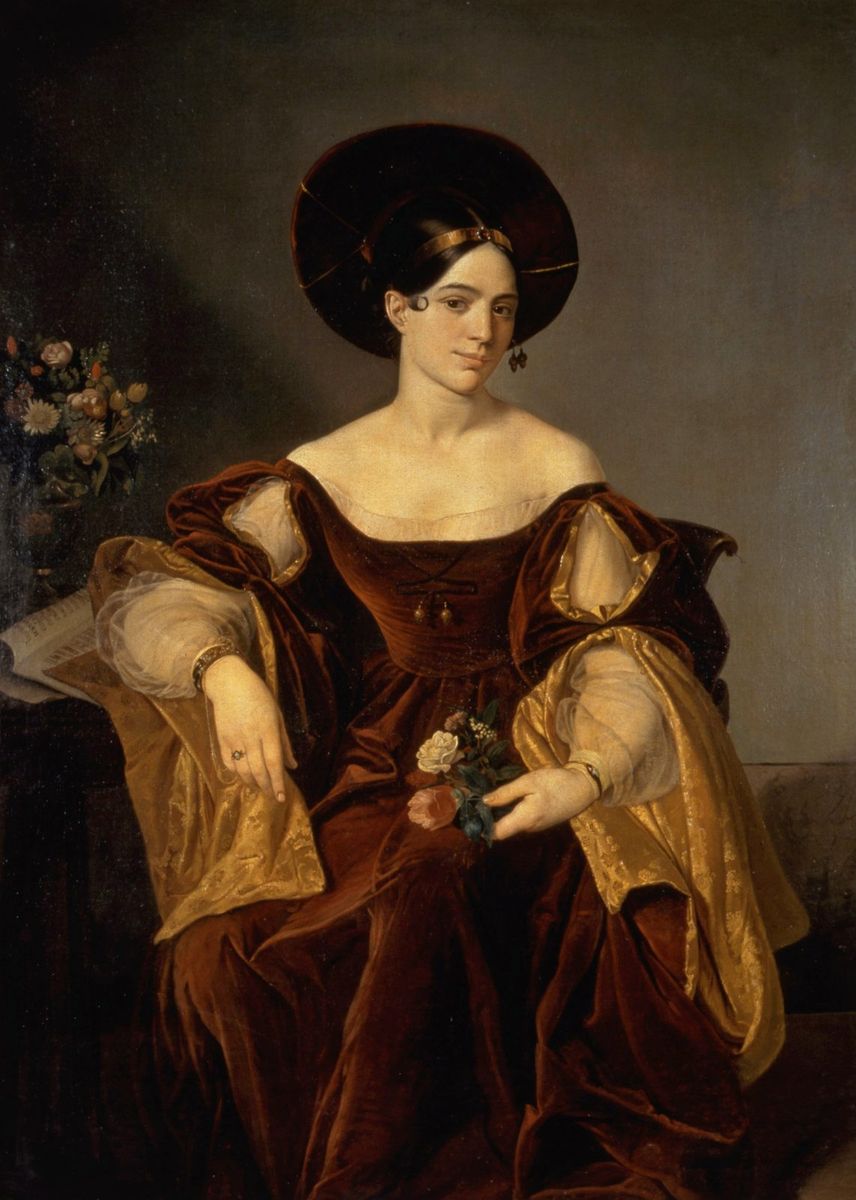
María Felicitas García, elder daughter of Manuel García, was born in Paris on 24 March 1808 and trained by her father. She first appeared on stage as a child in Naples and made her London debut as Rosina in 1825. In New York she sang the leading roles of her father's company and married the banker François-Eugène Malibran, whose name she kept after their separation.
Her range of about two and a half octaves allowed her to sing contralto and soprano roles. She was celebrated in Rossini (Rosina, Desdemona, Semiramide, Cenerentola), in Bellini (Norma, Amina, Romeo) and as Leonore in Fidelio, and she created the title role of Donizetti's Maria Stuarda. After a fall from a horse in July 1836 she continued to perform, collapsed during a festival in Manchester and died there on 23 September 1836, aged twenty-eight.
Pauline Viardot (1821–1910)
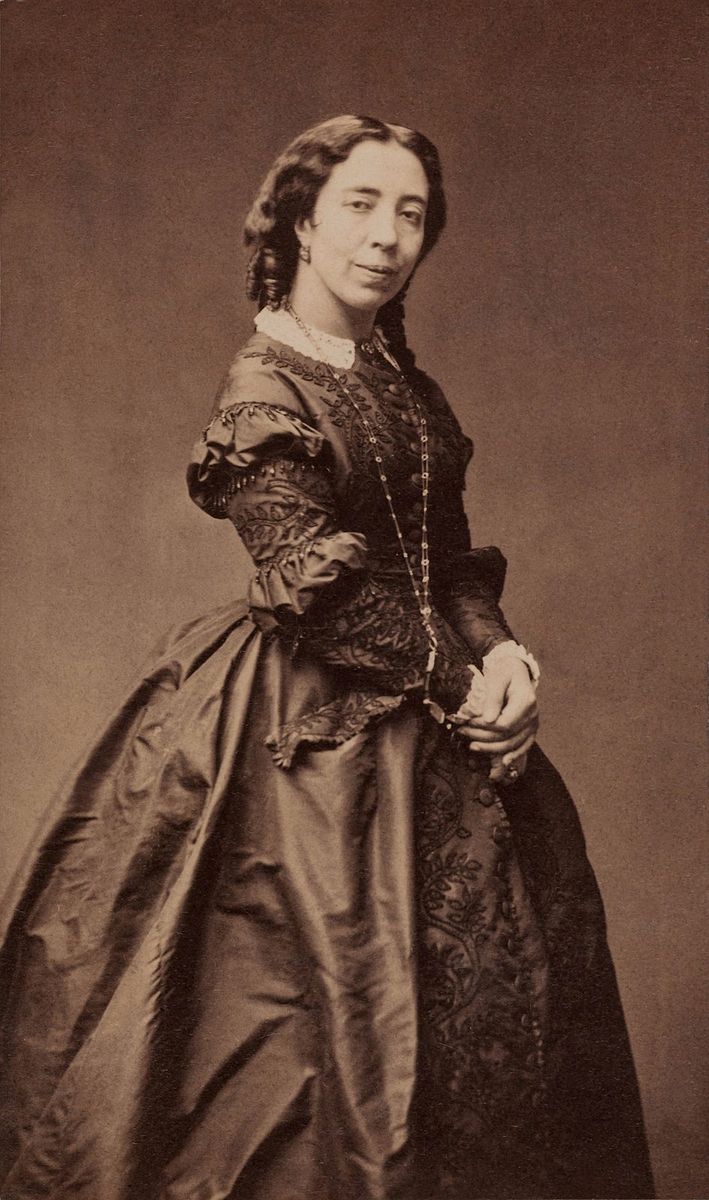
Michelle Ferdinande Pauline García, younger daughter of Manuel García, was born in Paris on 18 July 1821. She studied piano with Franz Liszt and harmony with Anton Reicha; her father and, after his death, her mother Joaquina Sitches taught her singing. She made her opera debut in London in 1839 as Desdemona in Rossini's Otello and married the writer Louis Viardot in 1840.
She created Fidès in Meyerbeer's Le prophète (1849) and the title role of Gounod's Sapho (1851), sang Gluck's Orphée in Berlioz's edition from 1859 more than 150 times, and gave the first public performance of Brahms's Alto Rhapsody (Jena, 1870). A composer of songs and salon operas, she taught at the Paris Conservatoire after 1870. She died in Paris on 18 May 1910.
Mathilde Marchesi (1821–1913)
Mathilde Graumann was born in Frankfurt on 24 March 1821. After studying in Vienna with Otto Nicolai, she studied with Manuel García the son in Paris from 1845 and became his most influential pupil. In 1852 she married the baritone Salvatore Marchesi.
She taught at the Vienna Conservatory (1854–1861 and 1868–1878), in Paris, and at the Cologne Conservatory (1865–1868), and in 1881 opened her own school in Paris. Her pupils included Nellie Melba, Emma Calvé, Emma Eames, Sibyl Sanderson, Etelka Gerster, Selma Kurz and her daughter Blanche Marchesi. Her published works include vocal methods, many books of vocalises, Ten Singing Lessons (1901) and the memoir Marchesi and Music (1897). She died in London on 17 November 1913.