SEVILLE 1775 · TODAY

The Manuel García School

Two centuries of the art of singing, passed from teacher to pupil, one lesson at a time.

An educational tribute presented by The Old School of Singing®

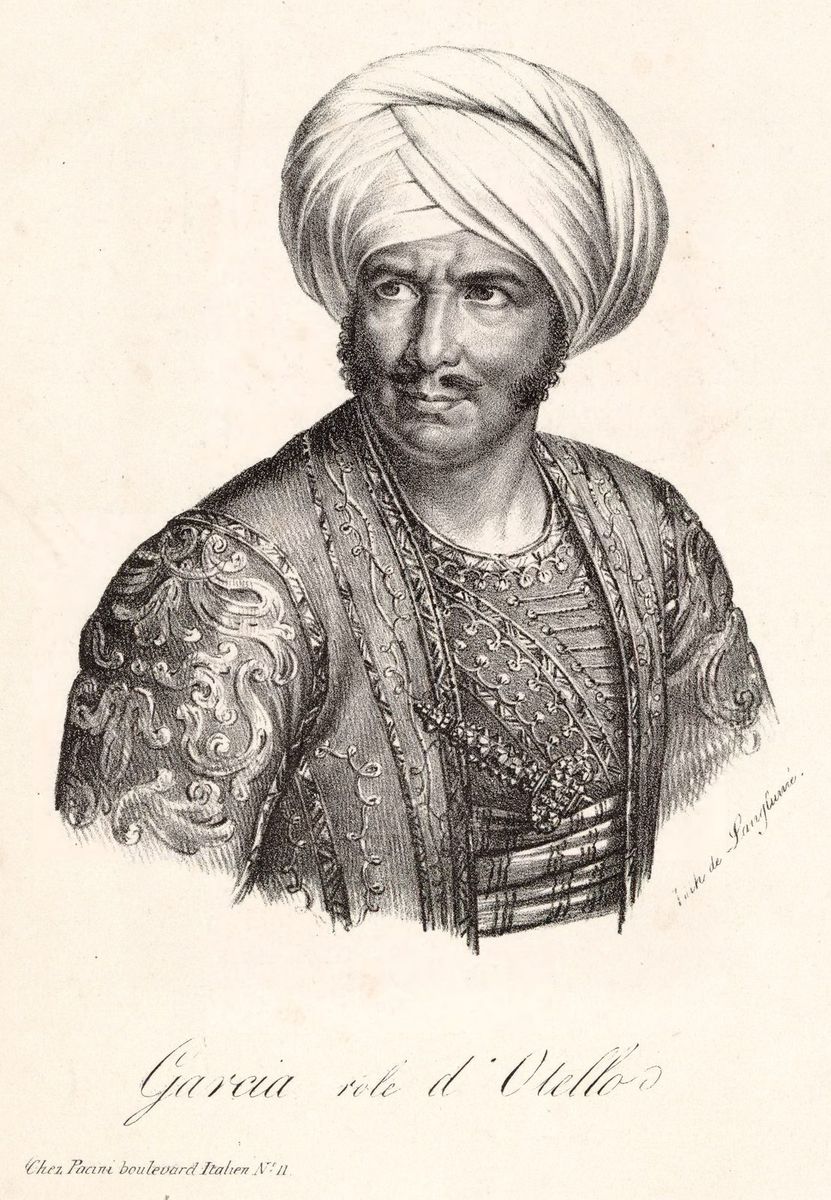
Manuel García the father as Rossini's Otello, Paris, about 1821
Manuel García (1775–1832), Rossini's first Count Almaviva, here as Otello in Paris, about 1821.
The Founder

A tenor from Seville

Manuel del Pópulo Vicente García was born in Seville in 1775. He perfected his singing in Naples with the old Roman tenor Giovanni Ansani, a master of the eighteenth-century Italian school.

Rossini wrote for him the role of Count Almaviva in Il barbiere di Siviglia (Rome, 1816). In 1825 his family company gave the first season of Italian opera in New York.

As a teacher he was famously demanding, and the results were extraordinary: his pupils included three of the greatest musicians of the nineteenth century, his own children.
The Family

A family that changed singing

Trained by their father from childhood, the three García children carried his teaching across Europe.

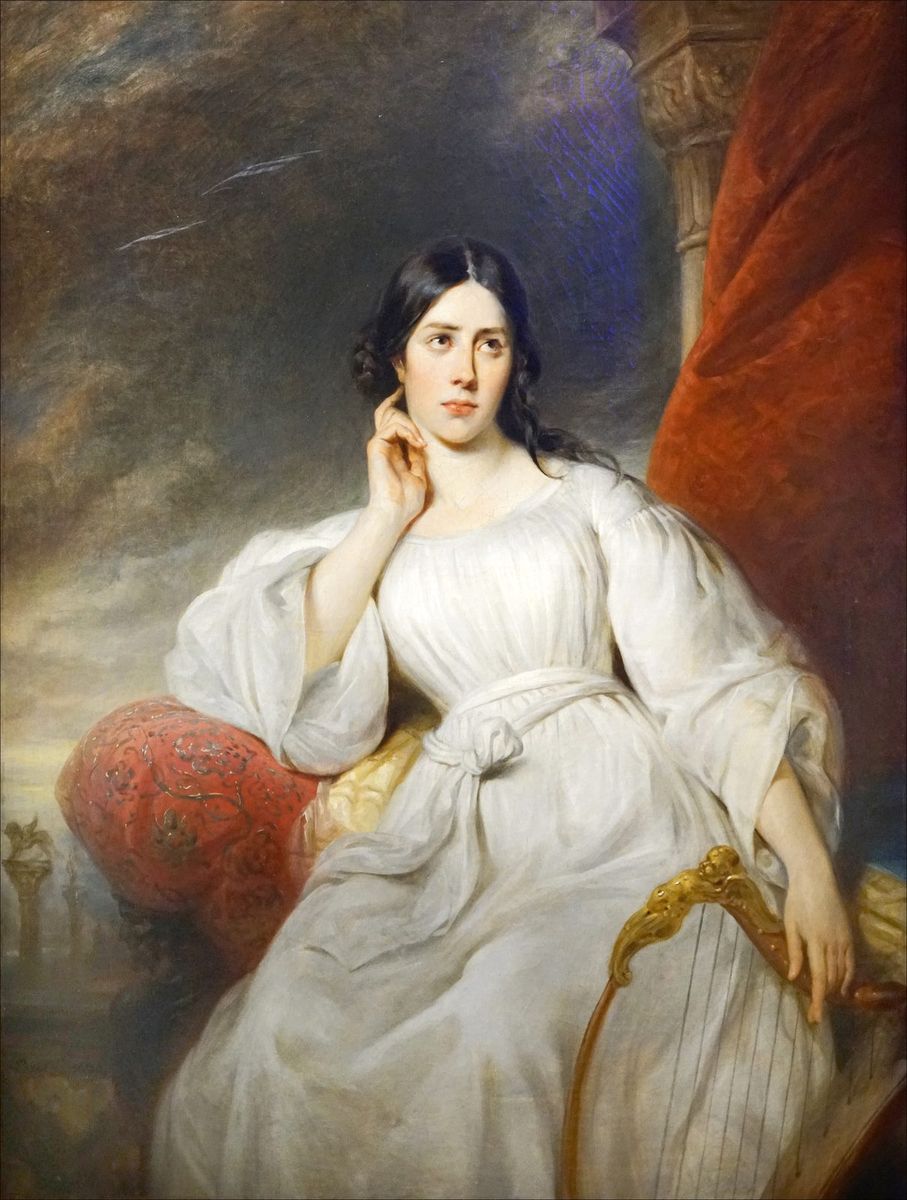
Maria Malibran as Desdemona, painting by Henri Decaisne, 1830

Maria Malibran

1808 – 1836

The most celebrated prima donna of her age, admired by Rossini, Bellini, Chopin and Liszt, with a voice of almost three octaves.

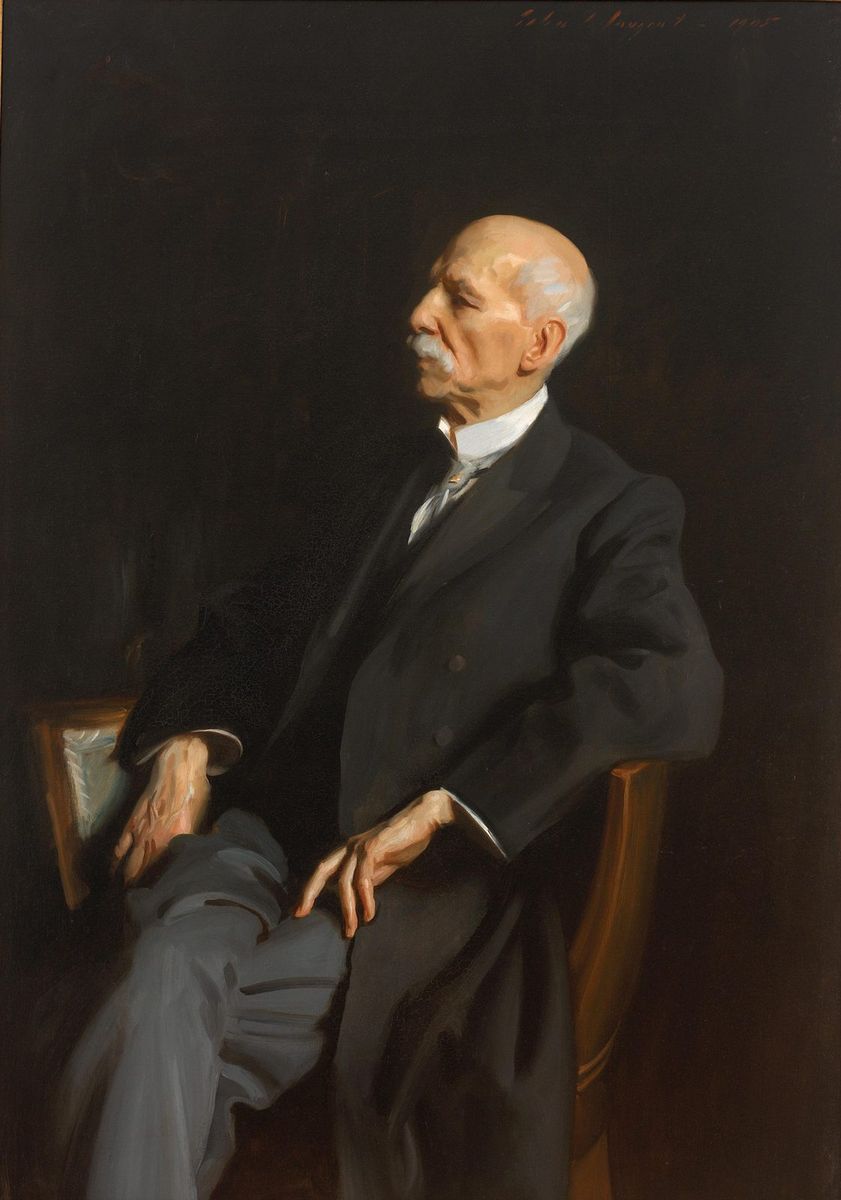
Manuel García the son, portrait by John Singer Sargent, 1905

Manuel García

1805 – 1906

Author of the Traité complet de l'art du chant, inventor of the laryngoscope and teacher in Paris and London for more than seventy years.

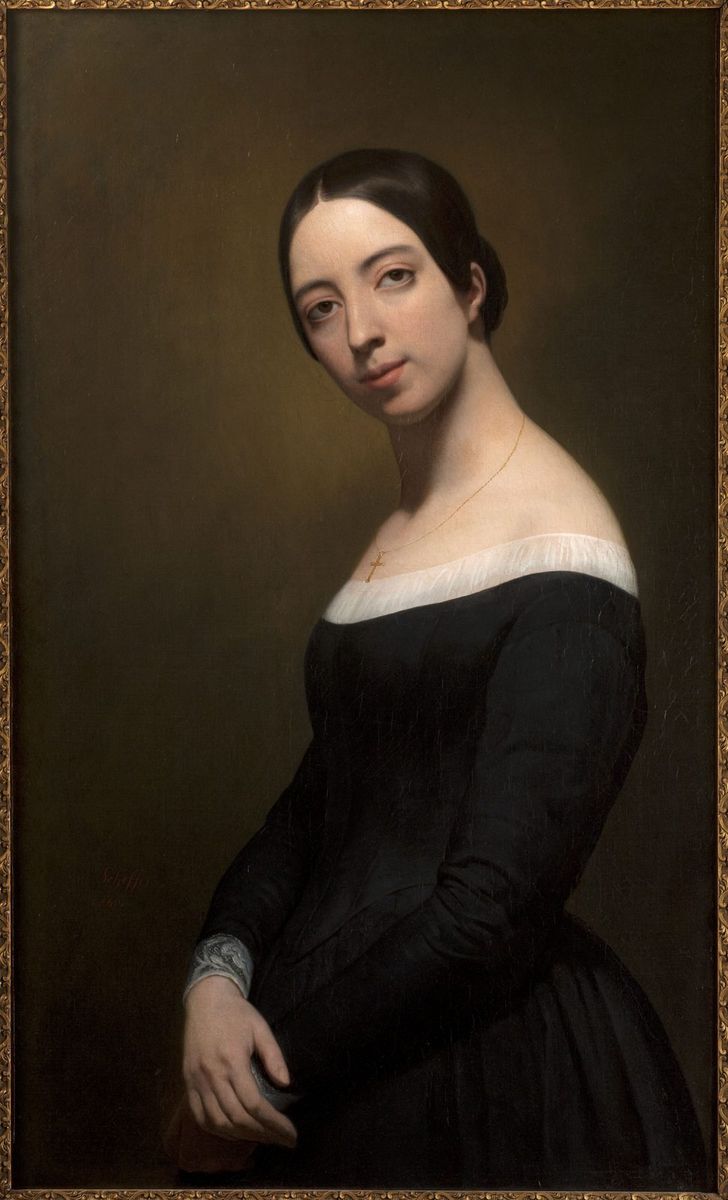
Pauline Viardot, portrait by Ary Scheffer, 1840

Pauline Viardot

1821 – 1910

Singer, composer and teacher, friend of Chopin, Berlioz, Brahms and Turgenev, and a great teacher at the Paris Conservatoire.

The Teaching

The principles of the García school

Manuel García the son put his father's method into writing in 1840. He did not invent it: he described, in the language of science, what the great Italian singers had always done. His principles are still at the heart of classical singing.

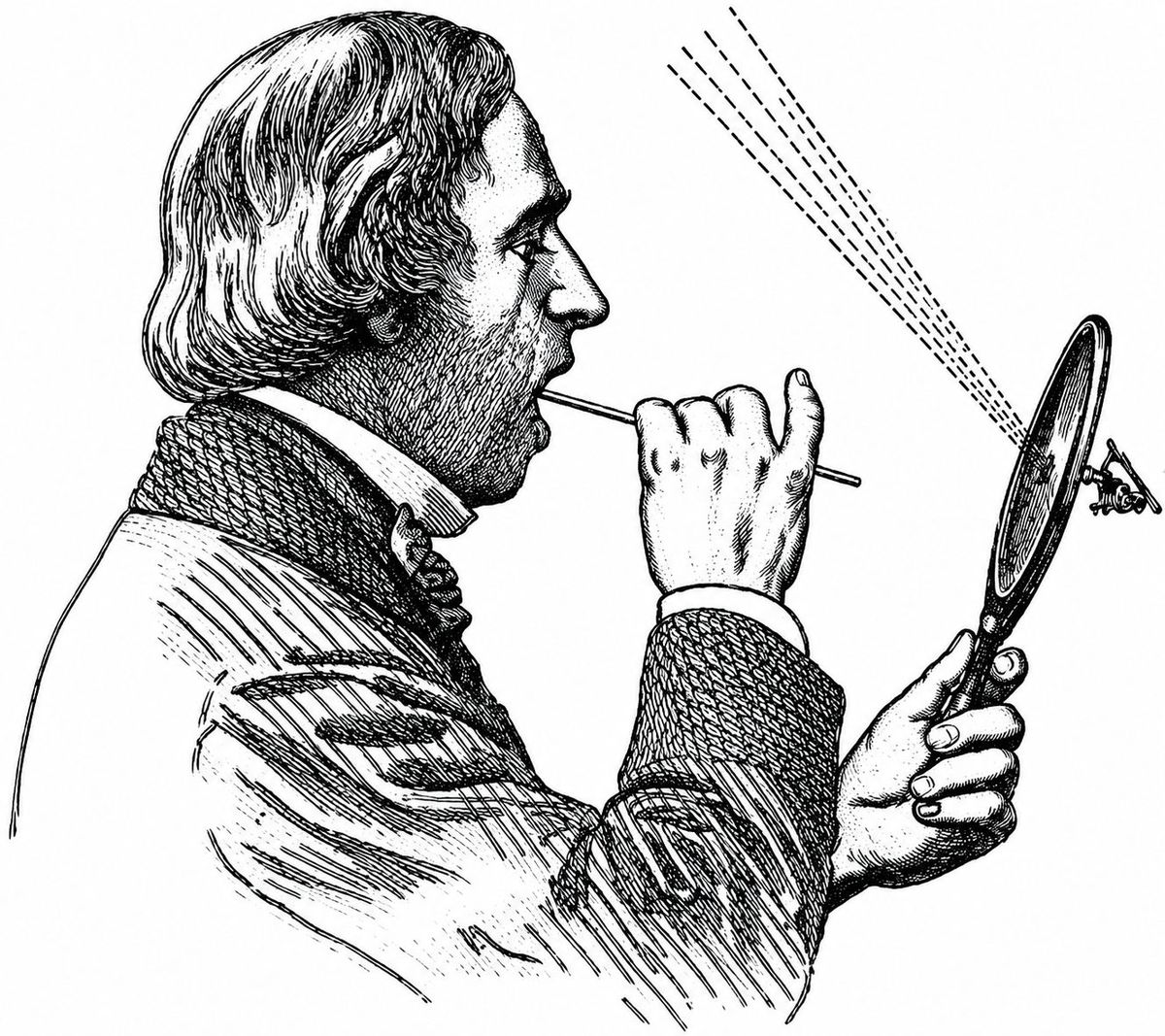
Trust the method, then check from outside. García himself did not rely on his ear alone. He studied his instrument to the point of creating a new tool, the laryngoscope, which we still use today, adopted by medicine worldwide.Giancarlo Monsalve
A singer observing his own larynx with a small mirror and reflected light
Laryngoscopy as García first practised it in 1854: a small mirror at the back of the throat and reflected light.
The Lineage

From teacher to pupil

From García's studios in Paris and London, the school spread through a chain of great teachers and singers that reaches the present day.

Today

The school lives on

A singing tradition survives only when it is taught. The principles of the García school continue in the studio of The Old School of Singing®, where they are combined with the other great Italian schools of the golden age of singing.

Its founder, the international tenor Giancarlo Monsalve, received the García principles from his first teacher, Nora López Von Vriessen. After a career in the dramatic tenor repertoire on stages such as the Arena di Verona, the Bayerische Staatsoper and the Royal Opera House Muscat, he now teaches singers from all over the world.

Visit The Old School of Singing®

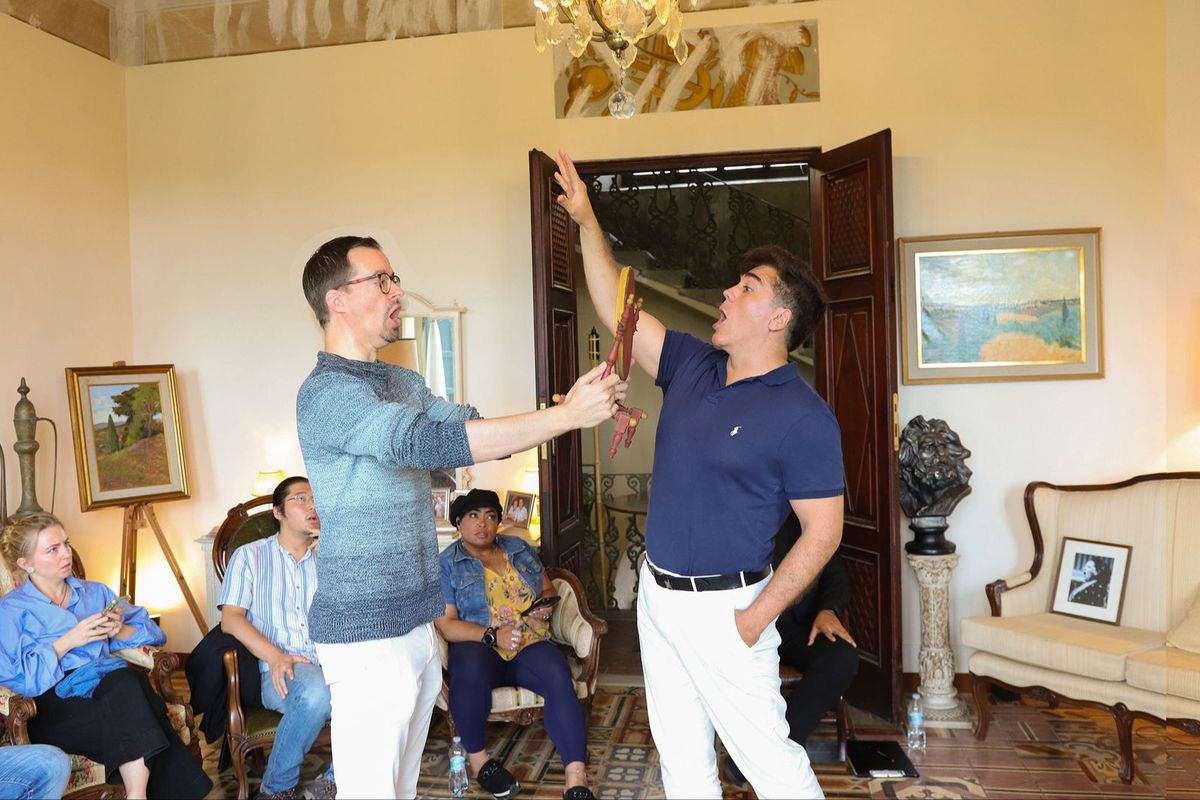
Giancarlo Monsalve teaching a masterclass
Reference

Study the García school

Biographies, a dated chronology, the story of the laryngoscope and a glossary of García's terms, for singers, teachers and scholars.

Glossary · Bibliography

Study in the tradition

Sing in the García line

Lessons, masterclasses and residential retreats in the principles of the old Italian school are offered by The Old School of Singing®.

Discover The Old School of Singing®