The School

The García Family

A tenor from Seville, and the three children who carried his teaching across Europe.

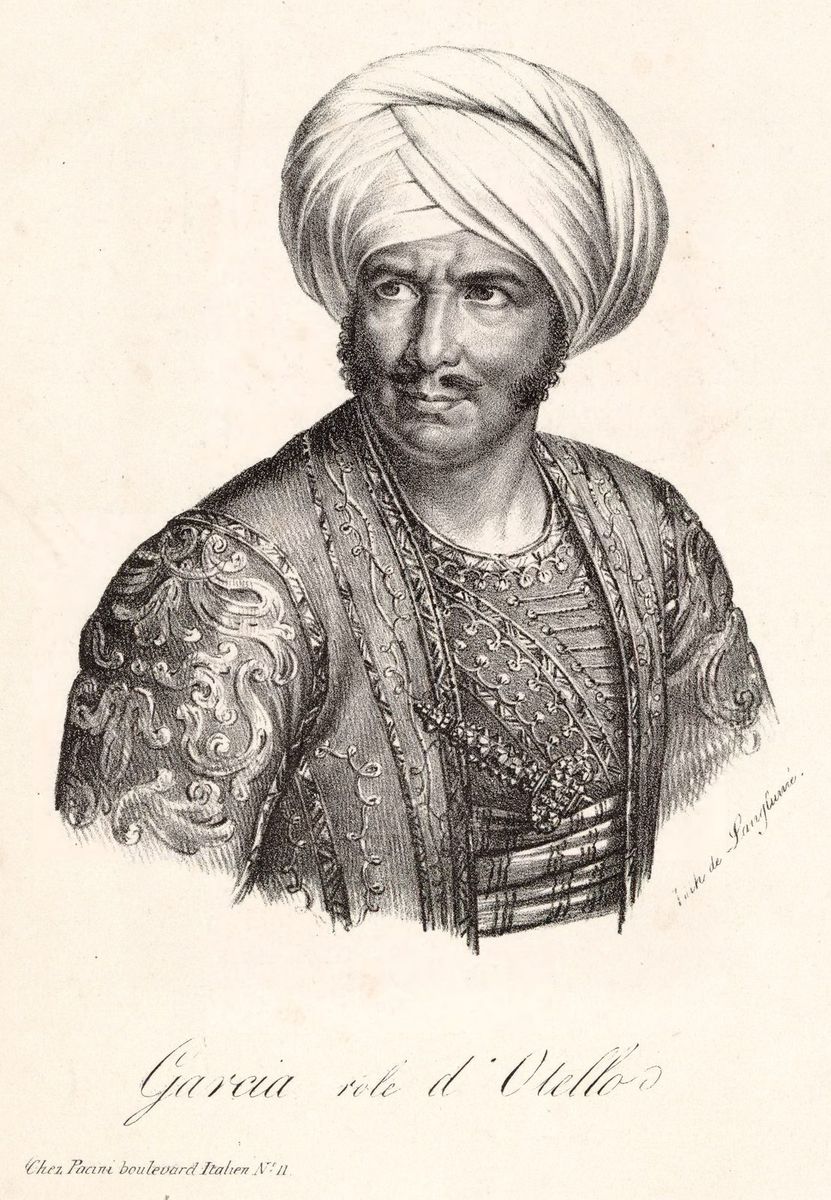
Manuel García the father as Rossini's Otello, Paris, about 1821
Manuel García (1775–1832), Rossini's first Count Almaviva, here as Otello in Paris, about 1821.
The Founder

A tenor from Seville

Manuel del Pópulo Vicente García was born in Seville in 1775. He perfected his singing in Naples with the old Roman tenor Giovanni Ansani, a master of the eighteenth-century Italian school.

Rossini wrote for him the role of Count Almaviva in Il barbiere di Siviglia (Rome, 1816). In 1825 his family company gave the first season of Italian opera in New York.

As a teacher he was famously demanding, and the results were extraordinary: his pupils included three of the greatest musicians of the nineteenth century, his own children.
The Family

The three García children

Trained by their father from childhood, the three García children carried his teaching across Europe.

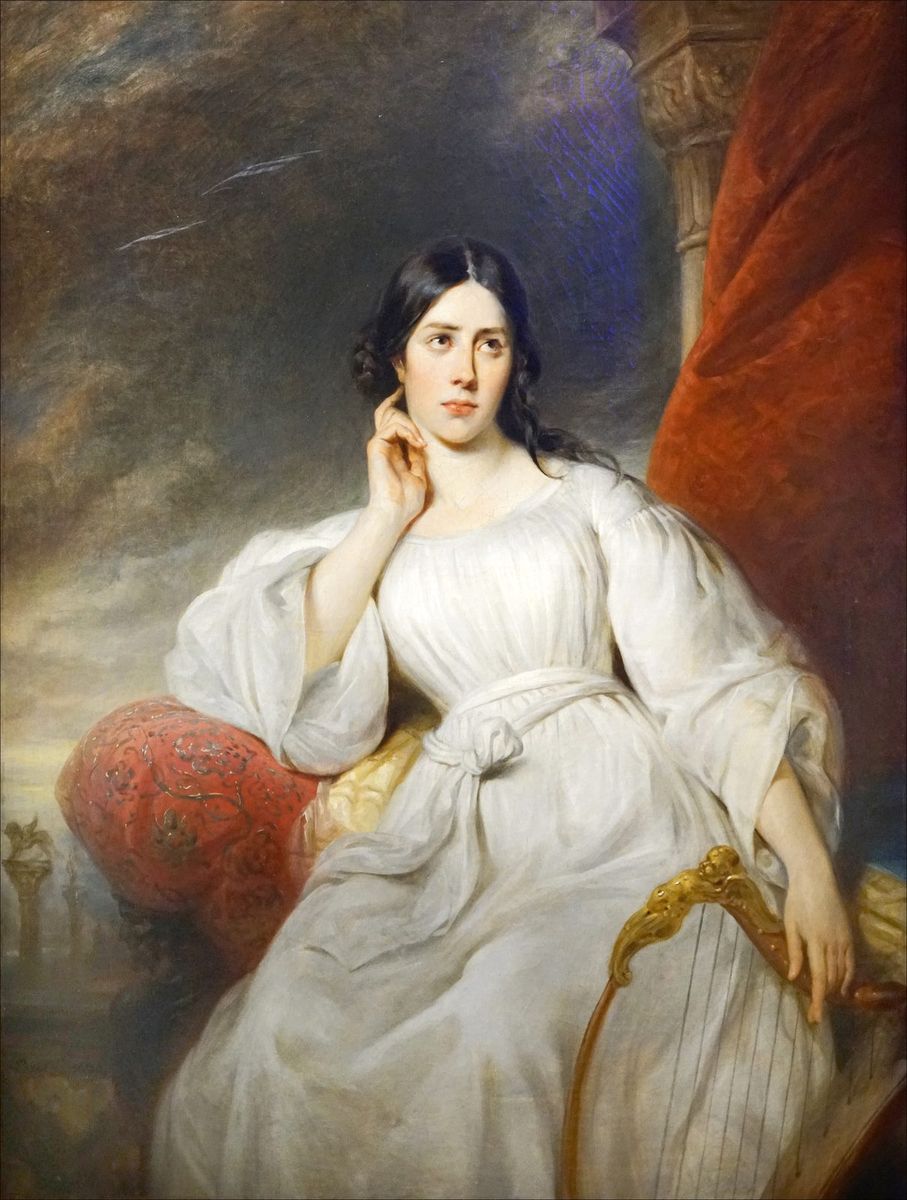
Maria Malibran as Desdemona, painting by Henri Decaisne, 1830

Maria Malibran

1808 – 1836

The most celebrated prima donna of her age, admired by Rossini, Bellini, Chopin and Liszt, with a voice of almost three octaves.

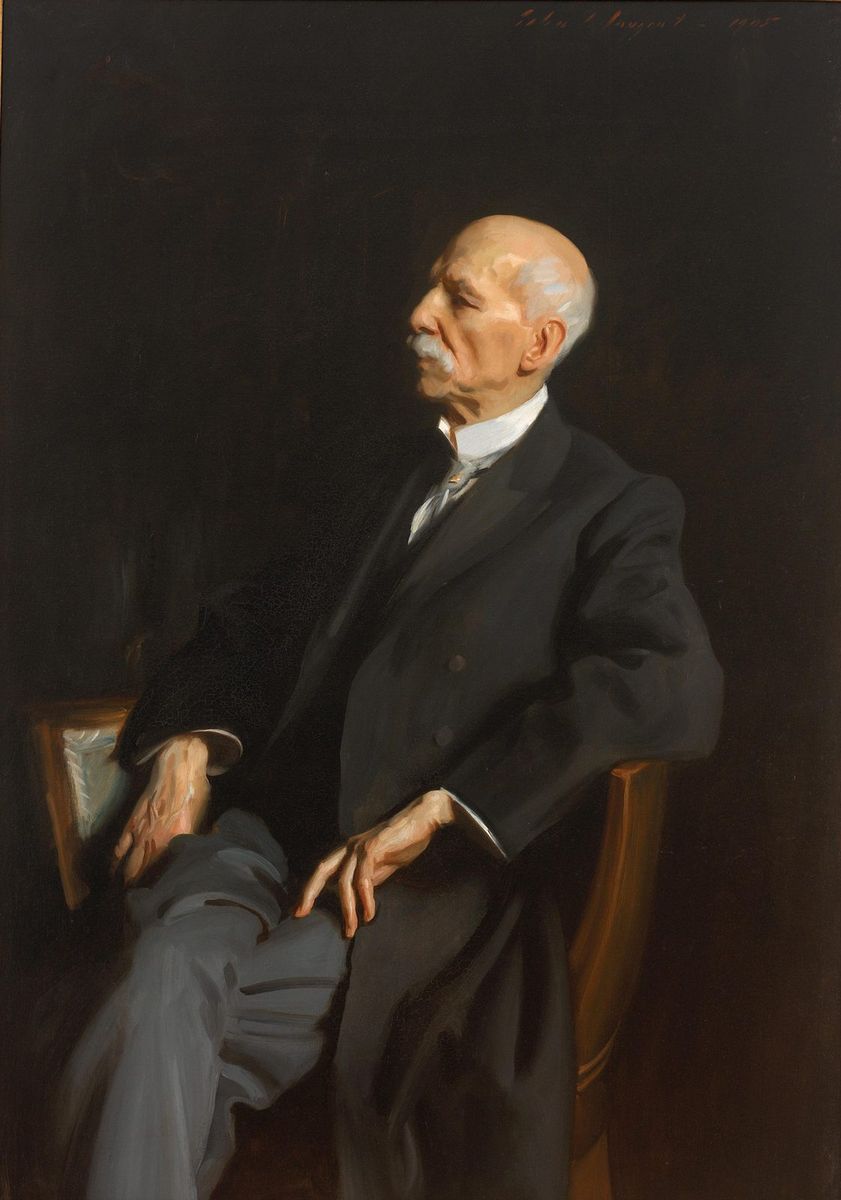
Manuel García the son, portrait by John Singer Sargent, 1905

Manuel García

1805 – 1906

Author of the Traité complet de l'art du chant, inventor of the laryngoscope and teacher in Paris and London for more than seventy years.

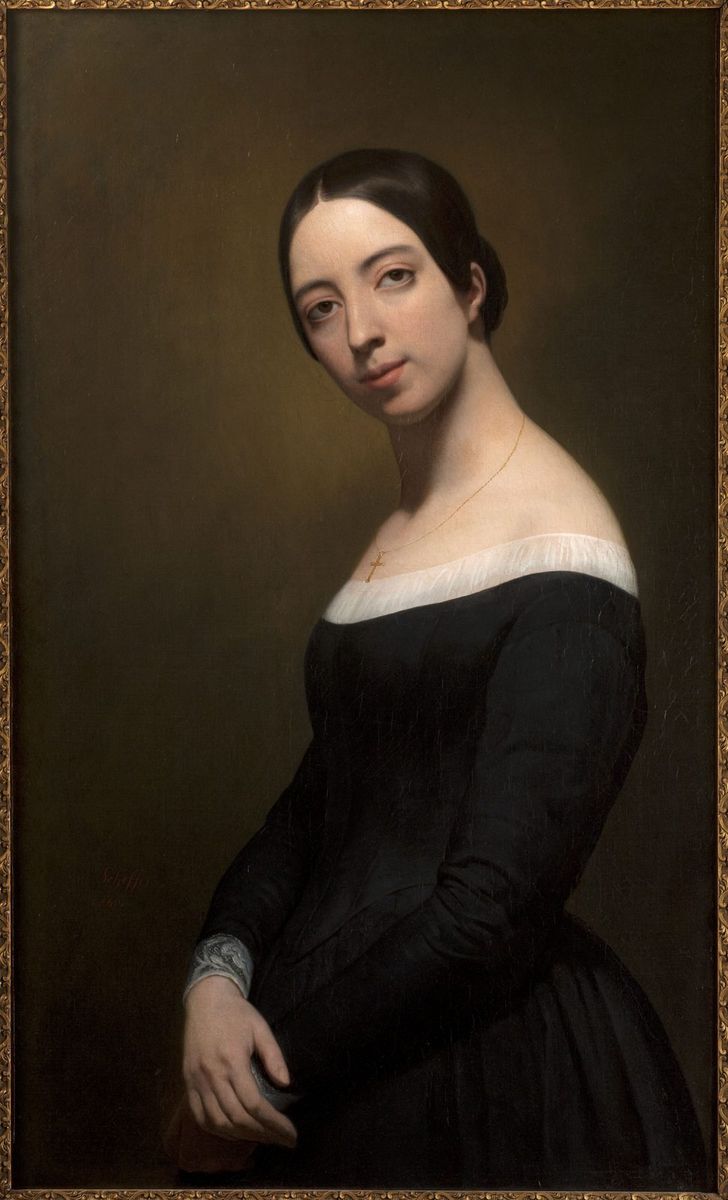
Pauline Viardot, portrait by Ary Scheffer, 1840

Pauline Viardot

1821 – 1910

Singer, composer and teacher, friend of Chopin, Berlioz, Brahms and Turgenev, and a great teacher at the Paris Conservatoire.

Read the full biographies →